Building the design function — without leaving the craft.
When I joined Zing Coach in 2020, design was one person — me. Over the next years it became a multidisciplinary team across product, growth, and motion. The bet: build design as a peer to product and engineering — embedded in each surface and accountable to what shipped, not a service desk taking tickets. The job was to scale the team and the quality bar without stepping back from the work that made the product good in the first place.
The tension every design leader knows: the easy path is to lead through other people's hands. I chose the harder one — grow the team and keep designing the hardest flows myself.
Period
2020 — Present
Role
Head of Design
Team
1 → 6 designers
Disciplines
Product, Growth, Motion
The starting point
Design was one generalist covering everything
App, website, brand, research, and content all ran through a single designer. That worked while the product was small — one person could hold the whole picture in their head and move fast.
Growth broke the single-person model
As Zing Coach scaled toward millions of users across app, web, and B2B, one person couldn't hold the quality bar across every surface. The function had to become a team — without losing the hands-on depth that made the product work.
How the team grew
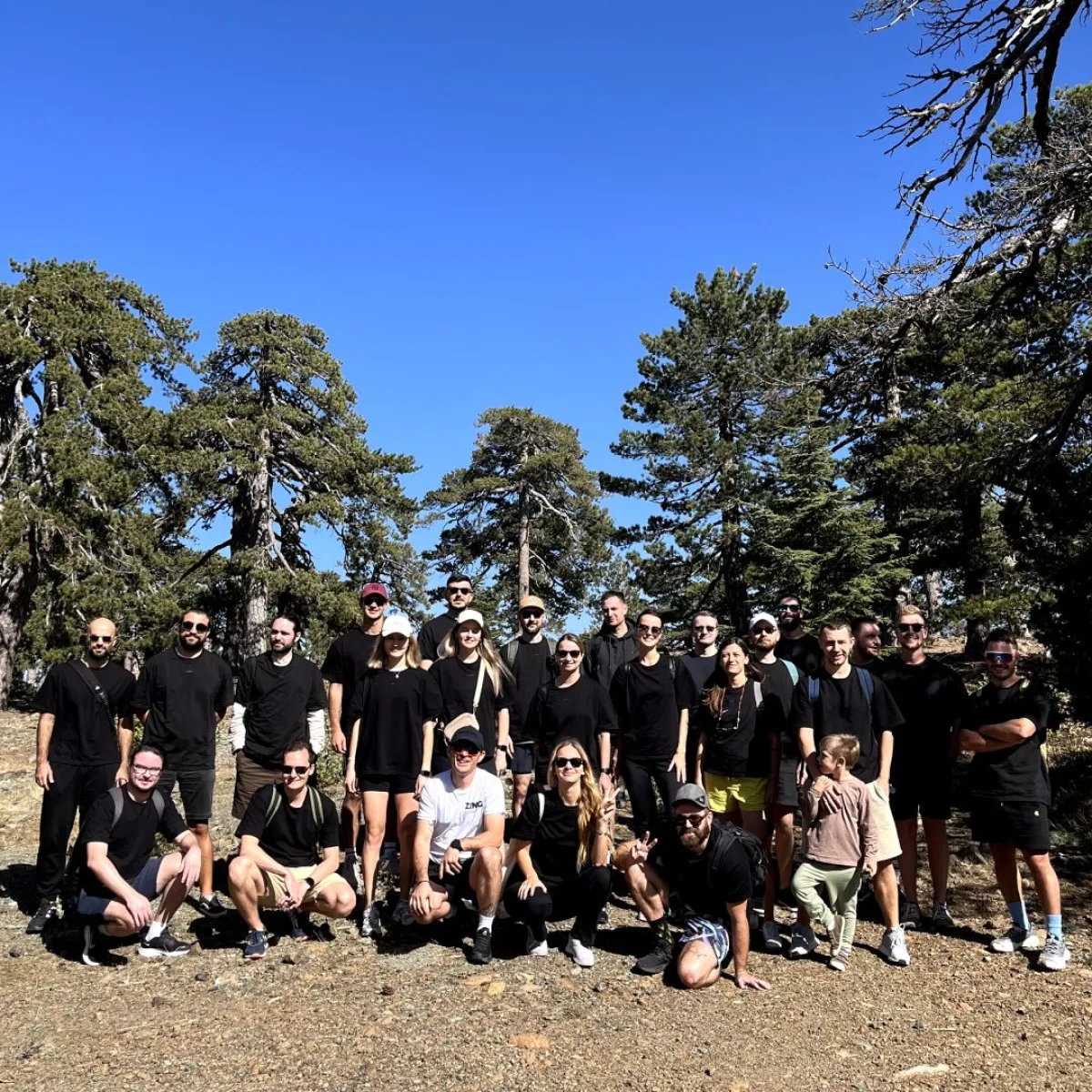
One generalist became a multidisciplinary function — each surface owned by someone closer to it than a single person could be.
Two product designers on the core app, a growth designer owning the funnel and web, and three motion designers treating animation and content as a real product surface — directed end to end while I kept designing myself.
+62
Team eNPS — how the designers rate working on the team (> 50 is excellent)
4
Designers grown into senior or lead roles inside the team
Service → partner
Design moved from a central queue to a strategic partner to product and engineering
How I lead
The pivotal call came early. As the product scaled, the obvious move was to add hands to a central queue and review everything myself. I did the opposite: split the work into surfaces, hired specialists who could own each one, and kept only the hardest flows on my own desk. Five habits made that bet hold — built on decisions, not slogans.
Hire for the gaps, not for more of me
Approach
I built the team around what the product needed next, not more of what I could already do myself — product designers for depth on the app, a growth designer for the funnel and web, motion designers because Zing's animations and content were a genuine product surface.
Result
Each surface ended up owned by someone closer to it than I could be — and the team covered ground a single generalist never could.
Critique on the decision, not the pixels
Approach
Critique was built around the "why" behind a screen — the user signal, the tradeoff, the alternative we rejected — not surface polish. The same research culture set the standard for what counted as a good answer.
Result
A shared quality bar across every surface without me needing to review every frame. The team internalized the standard instead of waiting for sign-off.
A rhythm the team could rely on
Approach
The classic toolkit, run consistently: weekly 1:1s, team retros, and a regular critique cadence. 1:1s surfaced individual blockers and growth; retros fixed process before it turned into rework.
Result
Predictability beat heroics. A dependable rhythm meant problems showed up early and small, instead of late and expensive.
Performance reviews as a growth map
Approach
Performance reviews were framed around where each designer was heading, not just what they shipped last quarter — concrete strengths, the next stretch, and the support to get there.
Result
Feedback compounded across quarters instead of resetting each cycle. People grew inside the team rather than leaving to grow.
Shipping with engineering, not over the wall
Approach
Design owned delivery as far as the shipped result, not the handoff. I planned scope with product and engineering, kept design in the loop through build and QA, and treated states, edge cases, and responsive behavior as part of the design — not someone else's problem after the file was thrown over the wall.
Result
Fewer handoff loops and fewer surprises late in the build. What shipped matched what was designed, because design stayed accountable all the way through release.
"I worked with Andrew at Zing, and I'd highly recommend him. He's an exceptionally talented Art Director with a great eye for design and branding. He built the company's visual identity from the ground up, established creative standards across the business, and was a strong manager who built and led the creative team."
The hardest part of the title. As the team grew, the easy path was to become a full-time reviewer — leading only through other people's hands. I chose to keep one foot in the work.
I kept owning the hardest flows
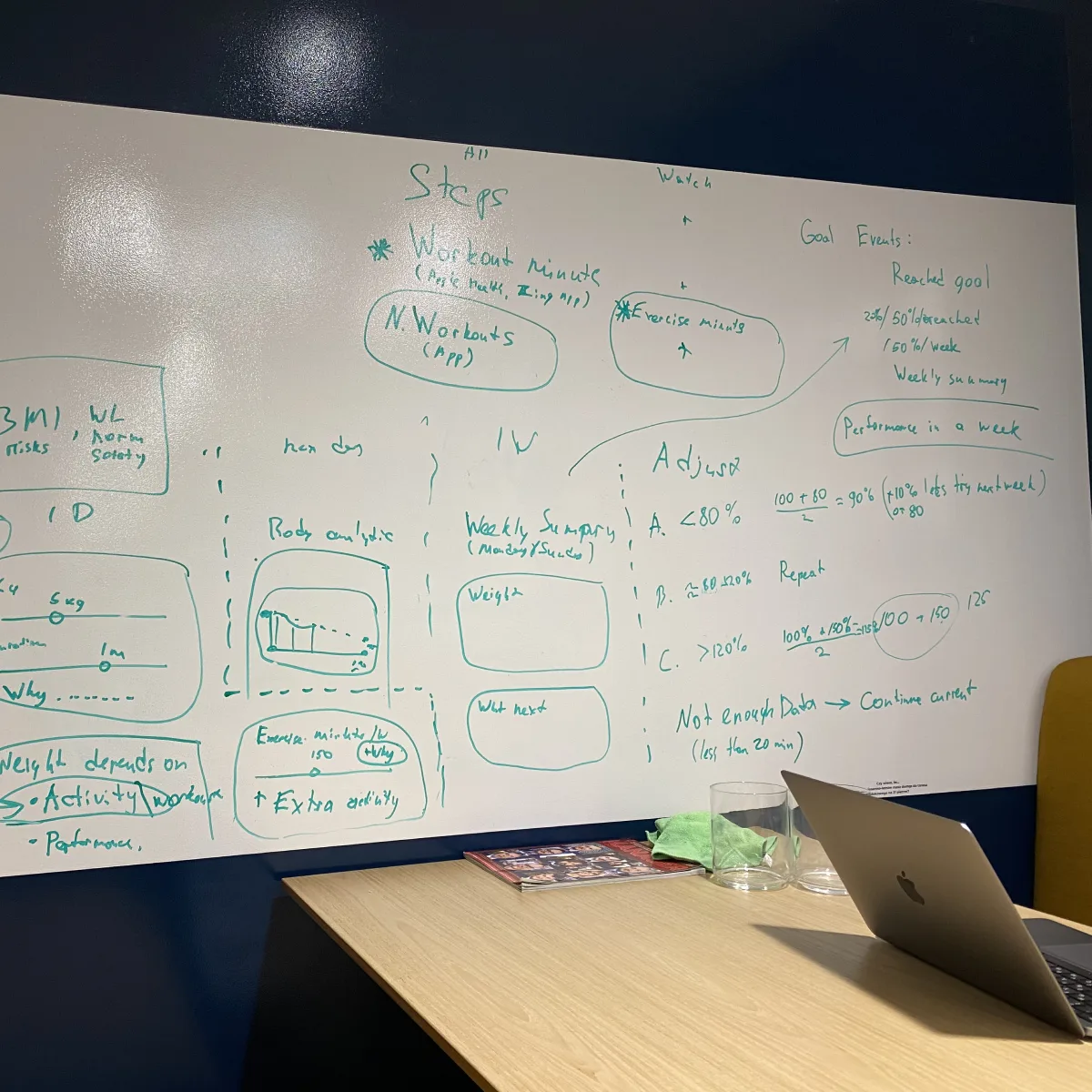
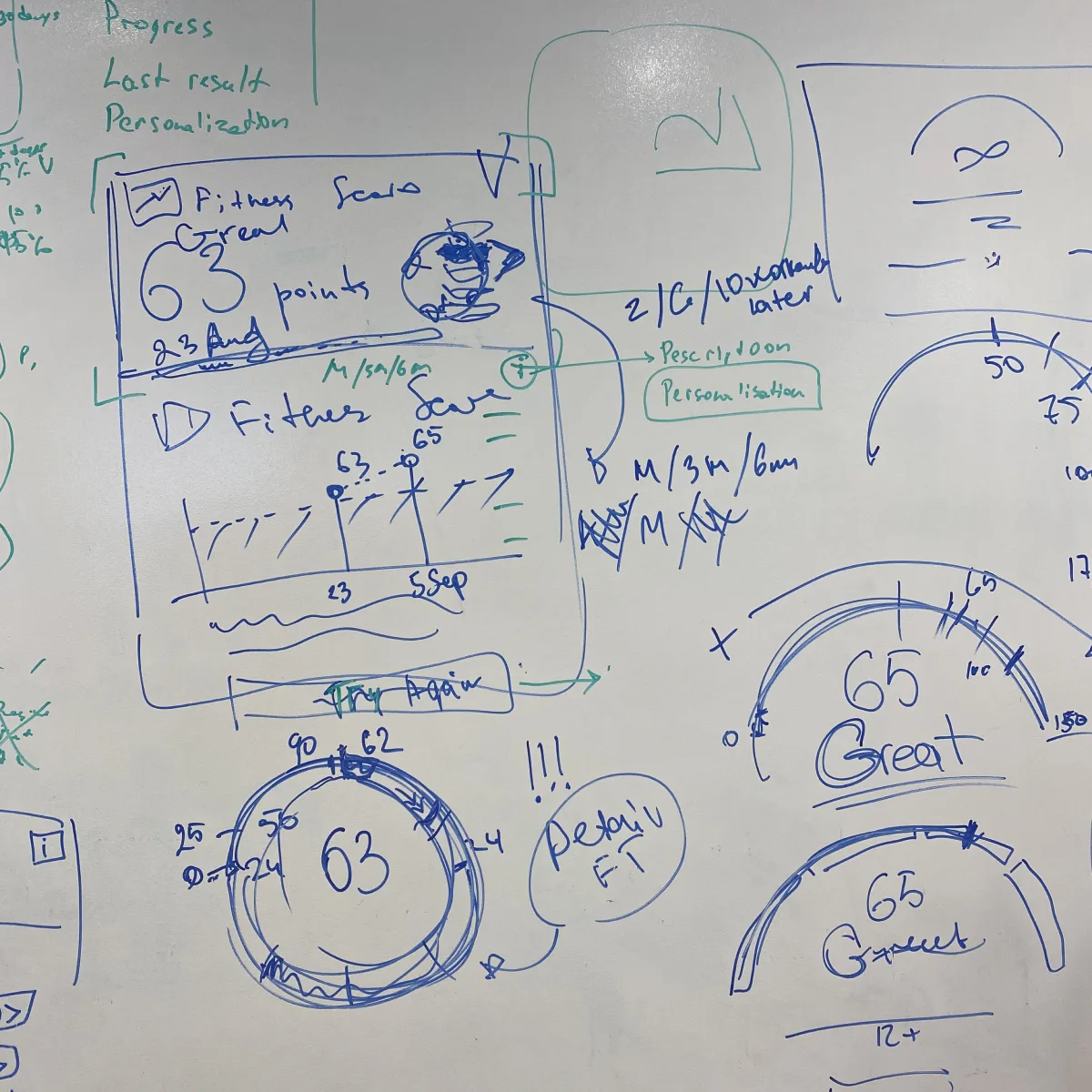
Onboarding, retention, the AI coach — the decisions that were harder to reverse than to make stayed on my desk. Designing them myself kept my judgment grounded in the real work.
Staying close to the work
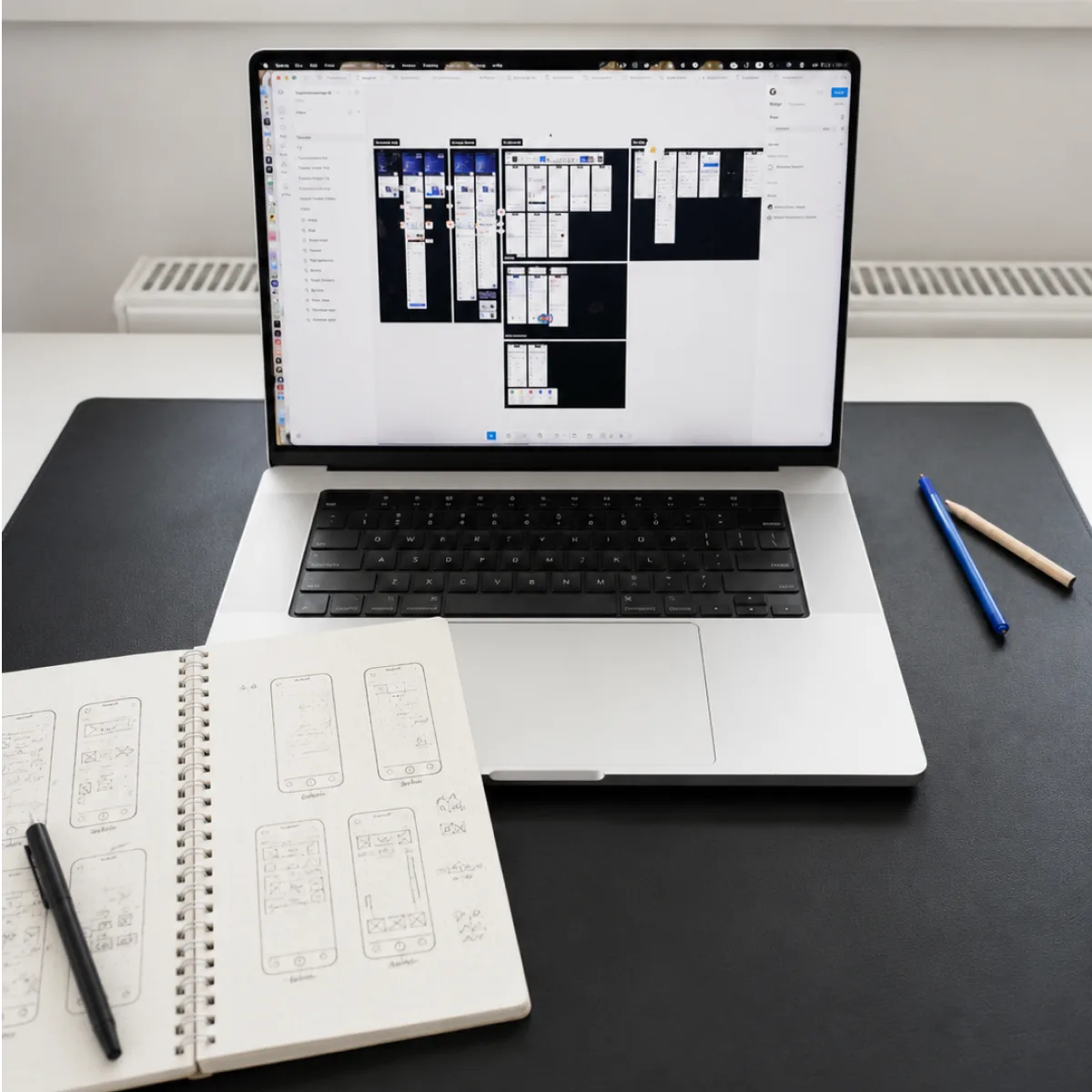
A team takes its cues from what its lead actually does, not only what they say in critique. Staying in Figma kept the quality bar concrete — present in the work itself, not just described in a review.
What the team shipped
The proof of design leadership isn't a process diagram — it's the work the team put into the world. Each of these came from the function this team became.
Product
40–55% month-1 retention
Four to five times the category average, built on a single habit insight and a first-month experience designed around it. See the case →
Research
100+ studies that shaped the roadmap
A research operation that moved at product speed and ended at shipped fixes, not archived reports. See the case →
Content & Motion
A repeatable production system
360 exercises per model and a reusable shoot workflow — the motion and content surface treated as product. See the case →
Reflection
Building a team turned out to be its own design problem — same discipline as a product. Who you hire is an architecture decision. A critique ritual is an interface for quality. A reliable rhythm is a default that explains itself.
The tension between scaling and staying hands-on never fully resolves. You manage it week to week. But I'd make the same choice again: a design leader who stops designing slowly loses the thing that made their judgment worth following.